
The Global Food Warning: Experts Call for Urgent Action on Ultra-Processed Foods
A growing chorus of international experts is sounding the alarm: the world must urgently cut down on ultra-processed foods (UPFs) to protect public health. A major global review, published in The Lancet, argues that our diets are being reshaped in dangerous ways shifting from fresh, whole foods to cheap, quick, and highly-processed alternatives.
A Diet Shift With Serious Consequences
The review highlights a troubling global trend. As families increasingly rely on fast, convenient, packaged meals, the risk of chronic diseases is rising sharply. Conditions linked to high UPF consumption include obesity, heart disease, type 2 diabetes, kidney disease, depression, and even higher rates of premature death.
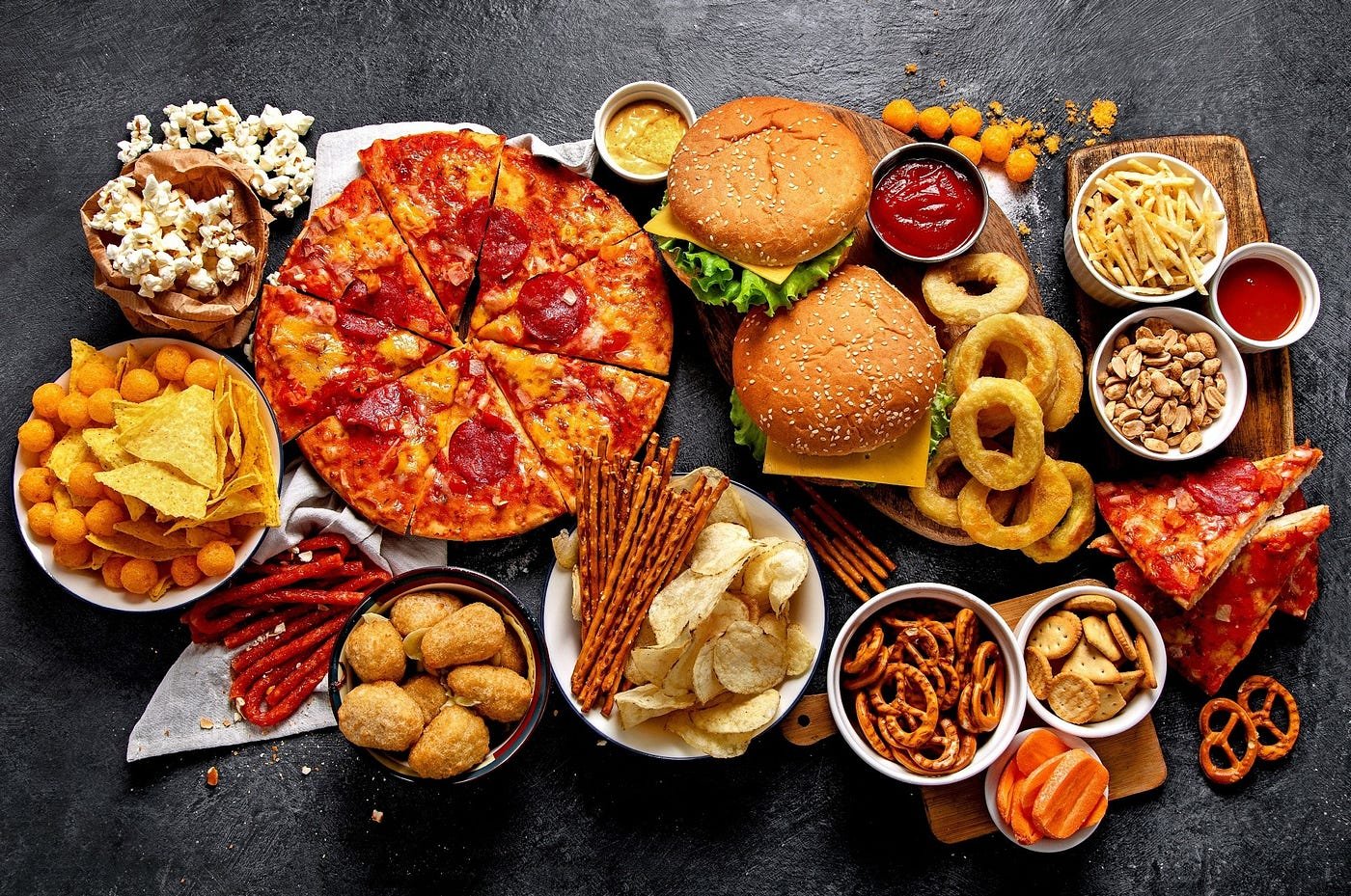
UPFs are typically foods with more than five industrial ingredients emulsifiers, preservatives, additives, dyes, sweeteners items you wouldn’t find in a typical home kitchen. Think sausages, instant noodles, crisps, fizzy drinks, pastries, supermarket bread, biscuits, ice cream and more.
Researchers analyzed 104 long-term studies involving 43 global experts, concluding that these foods are likely contributing to at least 12 major health conditions worldwide.
“Powerful Industries Are Shaping What We Eat”
Prof Carlos Monteiro of the University of Sao Paulo the creator of the Nova food classification warned that UPFs are displacing fresh and minimally processed foods in diets everywhere.
He argues that global food corporations, driven by profit, use “extensive marketing and political lobbying” to push UPF products while resisting policies that support healthy eating.
Co-author Dr Philip Baker from the University of Sydney compared the situation to the battle against Big Tobacco, calling for a strong, coordinated global health response.
Governments Urged to Step In
The review recommends bold actions:
- Warning labels on UPF products
- Higher taxes on ultra-processed foods
- Increased funding for access to healthier alternatives
Experts say waiting for perfect evidence could cost lives. While there is still scientific debate about exactly how UPFs harm the body, the current evidence linking them to poor health is strong enough to justify immediate action.
But Not Everyone Agrees
Some scientists caution that the review shows correlation, not direct causation. They argue that UPF consumption may be tangled up with other lifestyle factors like income, eating habits, or physical activity.
Others criticize the Nova system itself, saying it focuses too much on processing rather than nutrition. Foods like wholegrain bread, low-fat yoghurt, breakfast cereals, fish fingers, or even baby formula are considered ultra-processed but can still be nutritious.
Prof Kevin McConway of the Open University points out that more clinical trials are needed: “Some UPFs likely increase chronic disease risk but this doesn’t prove all UPFs are harmful.”
The Industry Responds
The Food and Drink Federation insists that UPFs can be part of a balanced diet. They note that many processed foods such as frozen vegetables and wholemeal bread offer convenience without compromising health.
They also stress that the amount of salt and sugar in many products has been cut by a third since 2015, following government guidelines.
What Is Still Unclear?
Even researchers admit there’s still mystery around what exactly makes UPFs harmful. Is it the processing? The additives? The high levels of sugar, fat, and salt? Or a combination of all these factors?
Experts like Prof Jules Griffin of the University of Aberdeen say more research is urgently needed, while acknowledging that food processing does have benefits, including safety, preservation, and affordability.
The UK’s Scientific Advisory Committee on Nutrition calls the link between UPFs and poor health “concerning,” but also says it’s unclear whether processing itself is the issue or simply the poor nutritional quality of many processed foods.
For now, official advice remains simple:
Eat more fruits, vegetables, and fibre. Cut back on sugar, salt, and unhealthy fats.
But with UPFs dominating diets globally and evidence of harm piling up, experts say the world cannot afford to ignore this issue much longer.