
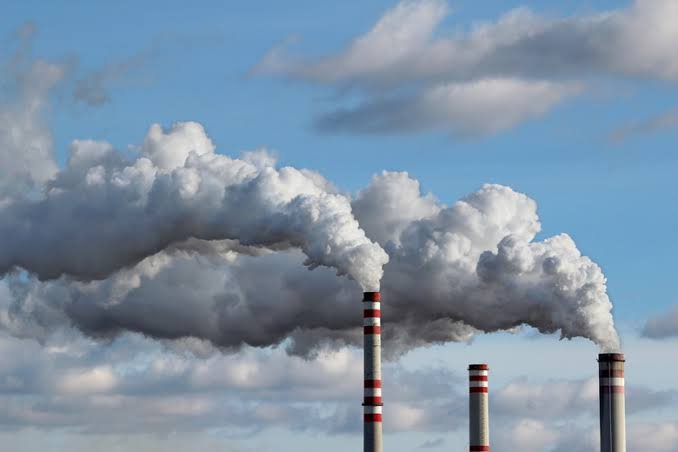
Across Nigeria and many parts of Africa, dry seasons, rising temperatures, deforestation, bush burning, and climate change are increasing the frequency of wildfires and uncontrolled bush fires. While flames may be far from urban centres, smoke pollution often travels long distances, degrading air quality and threatening public health in both rural and urban communities.
In many African settings, where access to air-quality monitoring, protective equipment, and healthcare may be limited, understanding how to cope with smoke exposure is critical.
What Causes Wildfire and Bushfire Smoke in Africa?
In Nigeria and across Africa, smoke pollution often comes from:
•Bush burning for farming and land clearing
•Wildfires during the dry season
•Burning of refuse and dumpsites
•Forest fires linked to extreme heat and drought
•Conflict-related fires in some regions
These fires release fine particulate matter (PM2.5) and toxic gases that linger in the air, especially during the harmattan and dry seasons, when wind conditions trap smoke close to the ground.Why Wildfire Smoke Is Dangerous to Health
Wildfire smoke contains tiny particles that can:
•Penetrate deep into the lungs
•Enter the bloodstream
•Worsen existing health conditions
In many African cities already affected by vehicle emissions, generator fumes, and industrial pollution, wildfire smoke adds another dangerous layer to poor air quality.
Health Effects of Smoke Exposure
Immediate (Short-Term) Effects
People exposed to smoke may experience:
•Coughing and chest tightness
•Shortness of breath
•Eye, nose, and throat irritation
•Headaches and dizziness
•Fatigue and reduced ability to work
For people who rely on outdoor work such as farmers, traders, construction workers, and security personnel these effects can be particularly severe.
Long-Term and Severe Health Risks
Prolonged exposure to smoke may lead to:
•Worsening asthma and chronic respiratory diseases
•Increased risk of pneumonia and other infections
•Heart complications, including stroke and heart attack
•Poor pregnancy outcomes
•Increased hospital admissions and premature deaths
Who Is Most at Risk in Nigeria and Africa?
Smoke pollution affects everyone, but the most vulnerable include:
•Children under five years
•Elderly persons
•Pregnant women
•People with asthma, tuberculosis, COPD, or heart disease
•Outdoor workers and informal-sector workers
Practical Ways to Protect Yourself and Your Family
1. Limit Outdoor Exposure
•Reduce outdoor activities when smoke is heavy
•Avoid exercise or strenuous work during smoky periods
•Keep children indoors as much as possible
2. Improve Indoor Air Quality (Low-Cost Options)
In many African homes, advanced air purifiers may not be available. Practical steps include:
•Closing windows and doors during heavy smoke
•Blocking gaps with cloth or foam
•Using fans wisely to circulate indoor air (not draw in smoke)
•Avoiding indoor pollution such as smoking, kerosene lamps, or burning candles
3. Use Face Masks Correctly
•Cloth and surgical masks offer limited protection against smoke
•If available, use N95 or KN95 masks, especially for outdoor work
•Ensure masks fit well over the nose and mouth
Managing Health Symptoms
•Drink plenty of water
•Use prescribed inhalers and medications consistently
•Rest and avoid unnecessary exposure
•Seek medical care if breathing becomes difficult, especially for children and the elderly
Do not self-medicate, especially with antibiotics or steroids, without medical advice.
Special Advice for Parents, Schools, and Caregivers
•Monitor children for coughing, wheezing, or unusual tiredness
•Limit outdoor school activities during smoky days
•Ensure classrooms are well-ventilated but protected from smoke
•Seek healthcare early if symptoms appear
Mental and Emotional Health Matters
Extended smoke exposure and fire outbreaks can cause:
•Anxiety and fear
•Sleep problems
•Stress and emotional fatigue
Community support, accurate information, and limiting exposure to distressing news can help protect mental wellbeing.
Role of Communities and Authorities
To reduce the impact of wildfire smoke, there must be collective action:
•Communities should avoid bush burning and report uncontrolled fires
•Local governments should enforce environmental regulations
•Health authorities should issue public advisories during smoke events
•Media and civil society should promote awareness and early action
Preparing for Future Fire Seasons
•Create community awareness on the dangers of bush burning
•Keep basic protective items such as masks
•Identify nearby healthcare facilities
•Support climate-smart agriculture and environmental protection
Wildfire and bushfire smoke is an emerging public health threat in Nigeria and across Africa, made worse by climate change and environmental degradation. Protecting health during smoke events requires awareness, practical action, and community responsibility.
By reducing exposure, protecting vulnerable groups, and promoting environmental stewardship, Africans can reduce the health impact of smoke pollution and build more resilient communities.