
Understanding Heart Palpitations: What They Mean and When to Worry
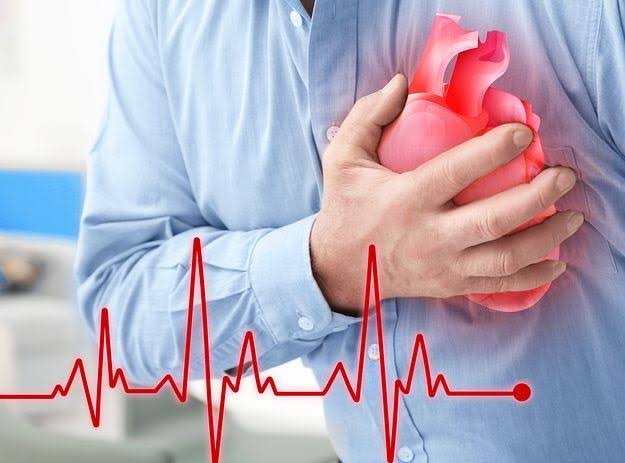
Heart palpitations are sensations that make you suddenly aware of your heartbeat. You may feel like your heart is racing, pounding, fluttering, skipping beats, or beating irregularly. While palpitations can be unsettling, they are common and often harmless. However, in some cases, they can signal an underlying health issue that needs medical attention.
What Do Heart Palpitations Feel Like?
People experience palpitations in different ways. Some describe a rapid or forceful heartbeat, while others notice a fluttering sensation in the chest or throat. Palpitations may last for a few seconds, minutes, or occasionally longer, and they can occur while resting, exercising, or even during sleep.
Common Causes of Heart Palpitations
Many palpitations are linked to lifestyle factors or temporary changes in the body, including:
- Stress and anxiety: Emotional stress, panic attacks, and anxiety can trigger noticeable changes in heart rhythm.
- Caffeine and stimulants: Coffee, energy drinks, nicotine, and some medications can increase heart rate.
- Hormonal changes: Pregnancy, menopause, and menstrual cycles can influence heart rhythm.
- Physical activity: Exercise or sudden exertion may cause brief palpitations.
- Dehydration or electrolyte imbalance: Low fluid levels or imbalances in minerals like potassium can affect heart function.
In some cases, palpitations may be caused by medical conditions such as anemia, thyroid disorders, low blood sugar, fever, or heart rhythm disorders (arrhythmias).
Are Heart Palpitations Dangerous?
Most palpitations are not life-threatening, especially if they occur occasionally and go away on their own. However, frequent or persistent palpitations may indicate an underlying heart condition, particularly if they are accompanied by other symptoms.
Seek medical attention if palpitations occur alongside:
- Chest pain or discomfort
- Shortness of breath
- Dizziness or fainting
- Severe weakness or fatigue
These symptoms could signal a more serious heart-related issue that requires prompt evaluation.
How Are Heart Palpitations Diagnosed?
If you see a healthcare provider for palpitations, they may ask about your symptoms, lifestyle, and medical history. Diagnostic tests may include:
- Electrocardiogram (ECG): To assess heart rhythm.
- Holter monitor or event monitor: Portable devices that track heart activity over time.
- Blood tests: To check for thyroid problems, anemia, or electrolyte imbalances.
Managing and Preventing Heart Palpitations
Treatment depends on the cause. For many people, simple lifestyle changes can help reduce palpitations:
- Limit caffeine, alcohol, and nicotine intake.
- Manage stress through relaxation techniques such as deep breathing, meditation, or yoga.
- Stay hydrated and maintain a balanced diet.
- Get adequate sleep and exercise regularly.
If palpitations are caused by an underlying condition, treating that condition often resolves the symptoms. In some cases, medication or further medical intervention may be required.
When to See a Doctor
While occasional palpitations are usually harmless, it’s important to see a doctor if they happen frequently, worsen over time, or interfere with daily life. Early evaluation can help rule out serious causes and provide peace of mind.
Heart palpitations can feel alarming, but they are often a normal response to stress, lifestyle factors, or temporary bodily changes. Listening to your body, managing triggers, and seeking medical advice when necessary are key steps to protecting your heart health. When in doubt, it’s always better to get checked and stay informed.