
Lassa Fever: Nigeria Records 21 New Cases, Nine Deaths as CFR Rises to 42.9%
Nigeria has recorded 21 new confirmed cases of Lassa fever and nine deaths in the first epidemiological week of 2026, pushing the country’s case fatality rate (CFR) to 42.9 per cent.
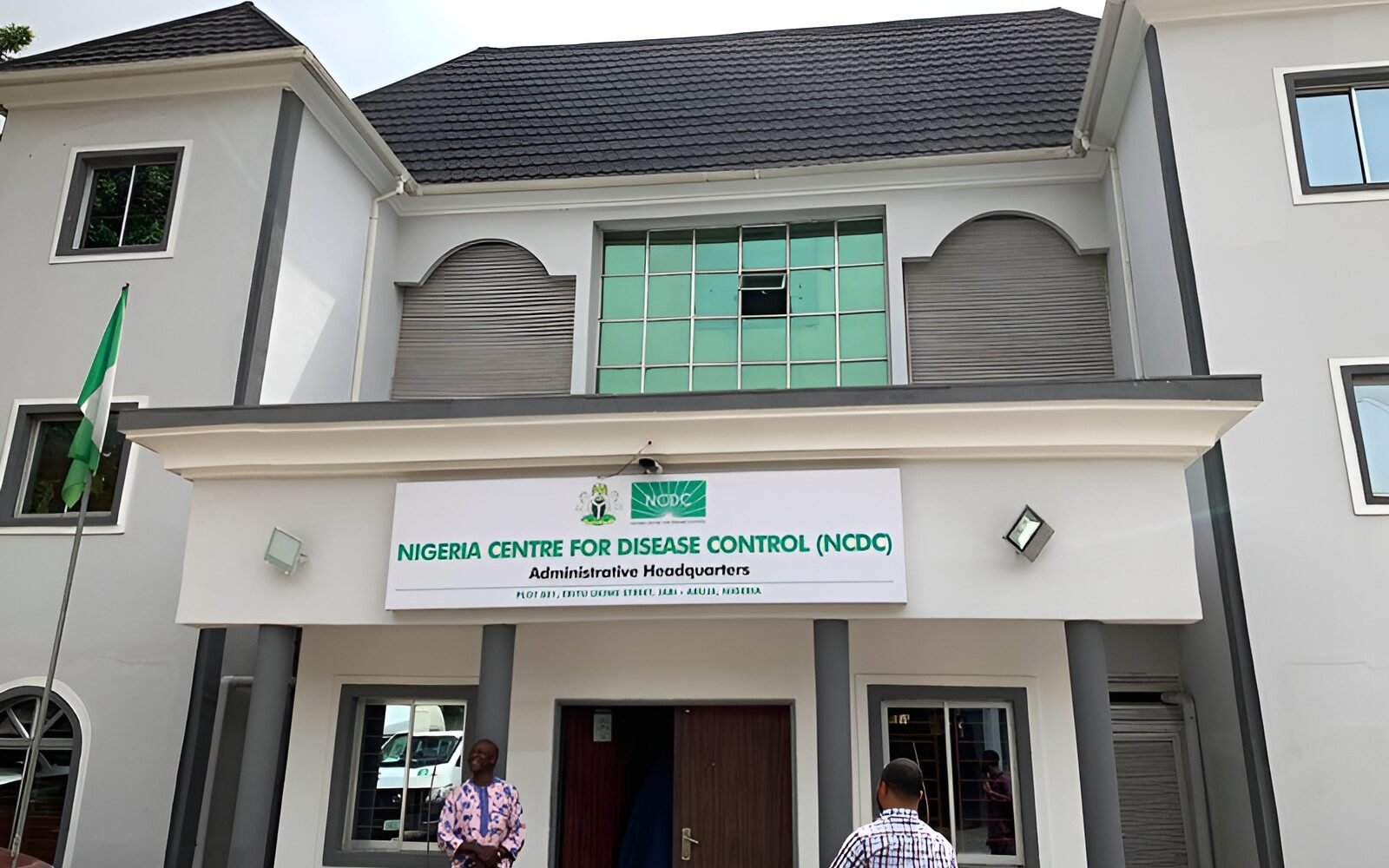
This was disclosed in the latest situation report by the Nigeria Centre for Disease Control and Prevention (NCDC), covering the period from 29 December 2025 to 4 January 2026.
The report shows that although confirmed cases declined compared with the final week of 2025, fatalities increased sharply when compared with the same period last year. A total of 104 suspected cases were recorded during the reporting week, out of which 21 were laboratory-confirmed, with no probable cases reported.
All confirmed cases were recorded in three states Bauchi, Ondo and Edo across nine local government areas (LGAs). Bauchi accounted for the highest number of infections, contributing 57 per cent of confirmed cases, followed by Ondo with 29 per cent and Edo with 14 per cent. Health authorities noted that 100 per cent of confirmed cases nationwide originated from these states, reaffirming their status as high-burden areas for the disease.
As of epidemiological week one of 2026, the nine reported deaths resulted in a CFR of 42.9 per cent. This represents a significant increase from the 18.5 per cent CFR recorded during the same period in 2025, when 54 confirmed cases and 10 deaths were reported across six states and 20 LGAs. Despite lower overall case numbers this year, officials expressed concern over the sharp rise in fatalities.
Young adults aged 21–30 years remain the most affected group. Confirmed cases ranged from one to 74 years, with a median age of 23.5 years. Men were disproportionately affected, with a male-to-female ratio of 1:0.4. No healthcare worker infections were reported during the week, a development attributed to improved infection prevention and control measures at treatment centres.
The NCDC said the National Lassa Fever Multi-Partner, Multi-Sectoral Technical Working Group continues to coordinate response efforts at both national and subnational levels. Ongoing interventions include support for treatment centres, strengthened case management, and the distribution of medical countermeasures such as personal protective equipment (PPE), Ribavirin, thermometers, sanitisers, and risk communication materials.
In addition, laboratory networks have been enhanced to ensure rapid diagnosis, while community based initiatives implemented in partnership with the Robert Koch Institute and UNICEF have focused on hand hygiene promotion, capacity building, and behavioural assessments in high-burden communities.