
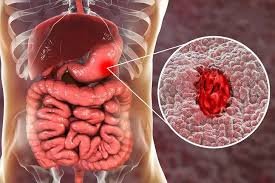
Understanding Ulcers: Causes, Symptoms, Treatment and Prevention
Ulcer is a common health condition that affects millions of people worldwide. Although many people use the term loosely to describe any stomach pain, a true ulcer is a sore that develops on the lining of the stomach, small intestine, or sometimes the oesophagus. When it affects the stomach or small intestine, it is known as a peptic ulcer.
In this blog post, we’ll break down what ulcers are, what causes them, their symptoms, treatment options, and how to prevent them.
What Is an Ulcer?
A peptic ulcer is an open sore that forms when the protective lining of the digestive tract is damaged. The two main types are:
-
Gastric ulcer – occurs in the stomach
-
Duodenal ulcer – occurs in the upper part of the small intestine (duodenum)
These ulcers develop when stomach acid damages the lining of the digestive tract.
Causes of Ulcers
Contrary to popular belief, ulcers are not caused by spicy food alone. The most common causes include:
1. Helicobacter pylori (H. pylori) Infection
This bacterium can damage the stomach lining and is one of the leading causes of ulcers.
2. Overuse of Painkillers
Frequent use of non-steroidal anti-inflammatory drugs (NSAIDs) like ibuprofen and aspirin can irritate the stomach lining.
3. Excess Stomach Acid
Certain conditions increase acid production, which may contribute to ulcer formation.
4. Lifestyle Factors
-
Smoking
-
Excess alcohol consumption
-
Severe stress (can worsen symptoms)
Symptoms of an Ulcer
Ulcer symptoms can range from mild discomfort to severe pain. Common signs include:
-
Burning or gnawing stomach pain
-
Bloating
-
Nausea or vomiting
-
Loss of appetite
-
Weight loss
-
Heartburn
Serious Symptoms (Seek Medical Help Immediately)
-
Vomiting blood
-
Black or tarry stools
-
Severe abdominal pain
-
Dizziness or fainting
These may indicate bleeding or a perforated ulcer, which is a medical emergency.
How Ulcers Are Diagnosed
Doctors may recommend:
-
Blood, stool, or breath tests (to detect H. pylori)
-
Endoscopy (a small camera inserted through the mouth to examine the stomach)
-
Imaging tests in severe cases
Treatment Options
The good news is that ulcers are treatable. Treatment depends on the cause.
1. Antibiotics
Used if H. pylori infection is present.
2. Acid-Reducing Medications
Doctors may prescribe:
-
Proton pump inhibitors (PPIs)
-
H2-receptor blockers
-
Antacids
3. Stopping NSAIDs
If painkillers caused the ulcer, your doctor may recommend alternatives.
4. Lifestyle Changes
-
Quit smoking
-
Reduce alcohol intake
-
Eat balanced meals
-
Avoid skipping meals
Foods to Eat and Avoid
Foods That May Help
-
Fruits (especially bananas and apples)
-
Vegetables
-
Whole grains
-
Lean proteins
-
Yogurt (may help balance gut bacteria)
Foods to Limit
-
Very spicy foods (if they worsen symptoms)
-
Caffeinated drinks
-
Alcohol
-
Fried and fatty foods
Note: Food does not cause ulcers, but certain foods can aggravate symptoms.
Can Ulcers Be Prevented?
Yes. You can reduce your risk by:
-
Practising good hygiene (to prevent H. pylori infection)
-
Using painkillers only when necessary
-
Avoiding smoking and excessive alcohol
-
Managing stress
-
Getting tested if you have persistent stomach pain
Ulcers are common but manageable. Early diagnosis and proper treatment can prevent serious complications. If you experience persistent stomach pain or notice warning signs like bleeding, seek medical attention promptly.
Your health matters. Don’t ignore the symptoms get checked and take control of your digestive health.