
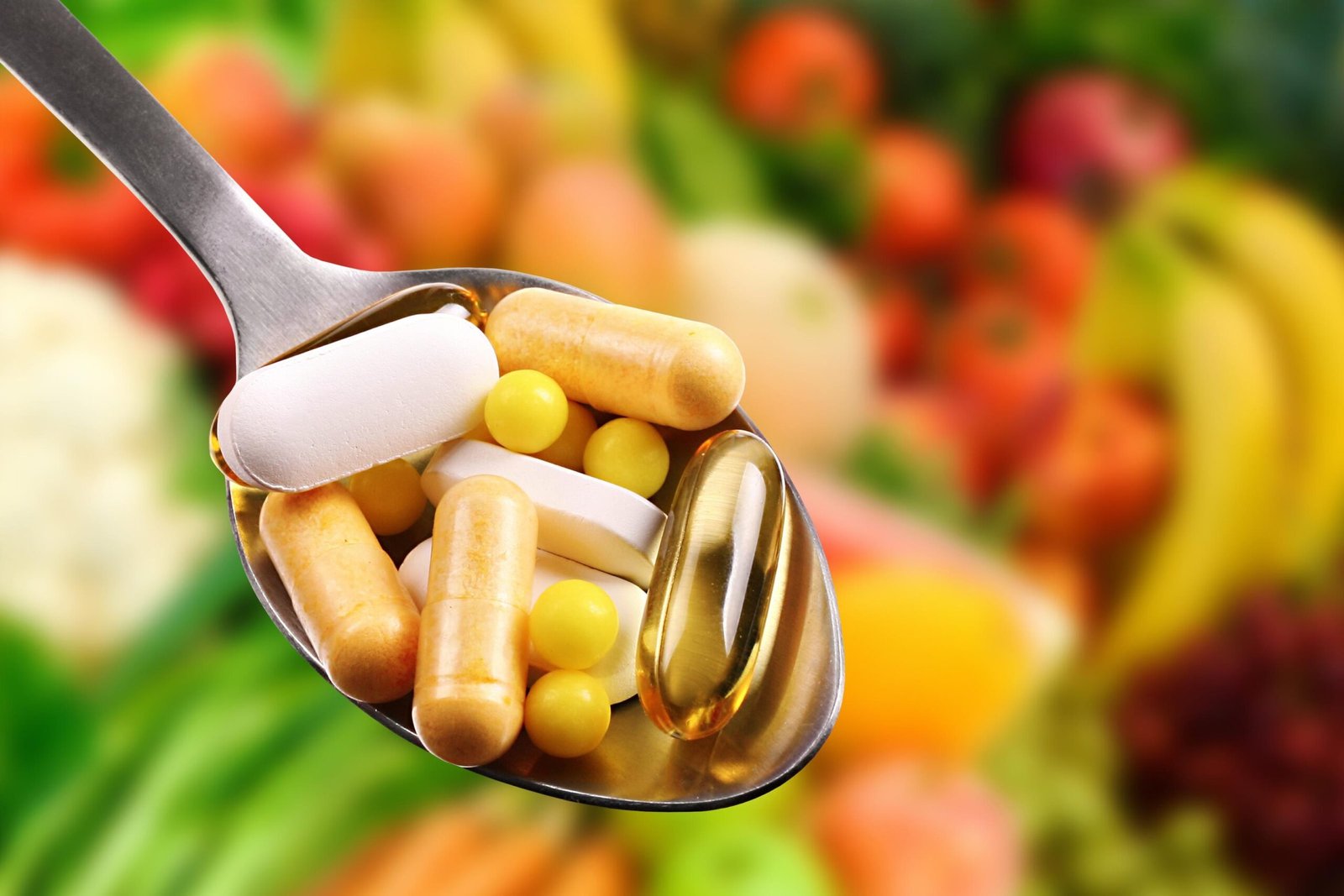
5 Supplements You Should Avoid if You Have Type 2 Diabetes And Why They Matter
Living with type 2 diabetes means being extra mindful of what goes into your body not just food, but supplements too. While many supplements promise “natural” health boosts, some can interfere with blood sugar control, interact with medications, or trigger unexpected side effects.
Here’s a clear, reader-friendly guide to five supplements people with type 2 diabetes should avoid and what makes them risky.
1. Ginseng (Especially in High Doses)
Ginseng is praised for boosting energy and immunity, but for people with diabetes, it can be tricky. Ginseng may lower blood sugar to unsafe levels, especially if you’re already taking medication like metformin or insulin.
The result? Hypoglycemia, dizziness, shaking, or fainting not something you want to risk.
2. Bitter Orange (Citrus Aurantium)
Often marketed for weight loss and metabolism boosting, bitter orange contains stimulants similar to ephedrine. These can raise heart rate and blood pressure, increasing the risk of cardiovascular complications already a concern for many people with diabetes.
It also interacts with diabetes medications and can make blood sugar control unpredictable.
3. Niacin (Vitamin B3) Supplements
Though niacin helps with cholesterol, high-dose supplements can raise blood sugar levels, making diabetes harder to manage.
Many people take niacin without realizing the dose is far above what the body needs. These high amounts can interfere with insulin sensitivity and worsen glucose control.
4. St. John’s Wort
A popular herbal supplement for mood support, St. John’s Wort has one major problem: it interferes with the way your liver processes medications.
For people with diabetes, this can weaken the effect of essential medicines like sulfonylureas or metformin leading to higher blood glucose and reduced medication effectiveness.
5. Ginkgo Biloba
Often taken for memory and brain health, ginkgo can affect the way insulin works in the body. Some research shows it may reduce insulin secretion, leading to higher blood sugar levels.
Ginkgo also increases bleeding risk, especially if you take blood thinners a common prescription for people with diabetes who are protecting their heart health.
What You Should Do Instead
If you’re managing type 2 diabetes, always:
- Talk to your doctor before starting any supplement
- Read labels carefully “natural” doesn’t always mean safe
- Focus on safe, diabetes-friendly alternatives like omega-3s, vitamin D, magnesium, or probiotics (only with medical advice)
Supplements can be helpful, but for people with type 2 diabetes, they can also be dangerous when taken without proper guidance. Your health is too important to gamble with — so stay informed, stay cautious, and always involve your healthcare provider in your wellness decisions.