
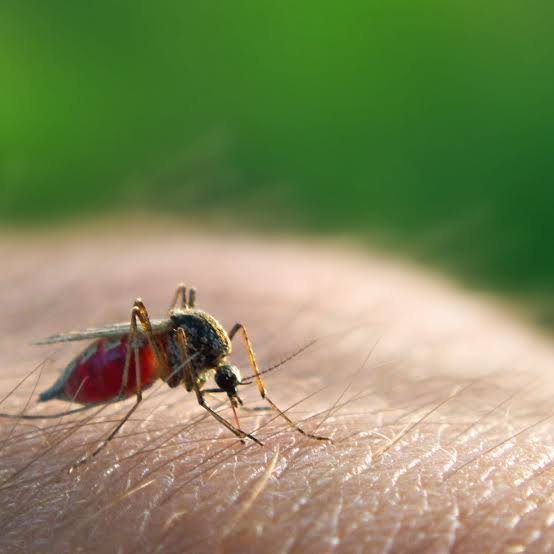
Malaria remains one of the most common and deadly infectious diseases in the world, particularly in sub-Saharan Africa. Despite being preventable and treatable, it continues to claim hundreds of thousands of lives each year most of them children under five and pregnant women. Understanding malaria is a crucial step toward protecting yourself, your family, and your community.
What Is Malaria?
Malaria is a life-threatening disease caused by Plasmodium parasites and transmitted to humans through the bite of infected female Anopheles mosquitoes. Once inside the body, the parasites multiply in the liver and then infect red blood cells, leading to illness.
Common Symptoms of Malaria
Symptoms usually appear 7–14 days after an infective mosquito bite and may include:
- Fever and chills
- Headache
- Sweating
- Body and joint pains
- Nausea and vomiting
- Fatigue and weakness
In severe cases, malaria can cause anaemia, convulsions, organ failure, coma, and death if not treated promptly.
Who Is Most at Risk?
Although anyone can get malaria, certain groups are more vulnerable:
- Children under five years
- Pregnant women
- People with low immunity
- Travellers to malaria-endemic regions
How Malaria Is Diagnosed
Malaria diagnosis involves laboratory testing, usually through:
- Rapid Diagnostic Tests (RDTs)
- Microscopic examination of blood samples
Self-diagnosis or treatment without testing is strongly discouraged, as malaria symptoms can mimic other illnesses like typhoid or viral infections.
Treatment: What You Should Know
Malaria is treatable, especially when detected early. Treatment typically involves artemisinin-based combination therapies (ACTs) prescribed by a qualified healthcare professional.
Important:
- Never self-medicate
- Always complete the full course of treatment
- Avoid using outdated or unprescribed antimalarial drugs
Incomplete or incorrect treatment can lead to complications and drug resistance.
Preventing Malaria: Simple Steps That Save Lives
Prevention remains the most effective weapon against malaria. Key preventive measures include:
- Sleeping under insecticide-treated mosquito nets (ITNs)
- Using indoor residual spraying (IRS)
- Clearing stagnant water around homes
- Wearing long-sleeved clothing, especially at night
- Using mosquito repellents
For pregnant women, intermittent preventive treatment (IPTp) during antenatal care helps protect both mother and baby.
Malaria and Public Health
Malaria places a heavy burden on families, healthcare systems, and economies. It causes school absenteeism, reduced productivity, and increased healthcare costs. Governments and global partners continue to invest in prevention, treatment, research, and vaccine development to reduce malaria-related deaths.
The Role of Individuals and Communities
Ending malaria is not just the responsibility of governments or health workers—it requires community action. Proper sanitation, early health-seeking behaviour, and public awareness play vital roles in controlling the disease.
Malaria is preventable, treatable, and beatable but only with the right information and action. If you or someone around you experiences malaria-like symptoms, seek medical attention immediately. Early diagnosis and treatment save lives.
Together, through awareness, prevention, and responsible healthcare practices, we can move closer to a malaria-free future.