
Nigeria accounts for nearly one in every four malaria cases globally and almost one in every three malaria-related deaths, placing the country at the epicentre of a disease that claims lives, depletes household incomes, and places enormous pressure on the health system. Yet for decades, one of the most effective malaria prevention tools long-lasting insecticidal nets (LLINs) has been largely manufactured outside Nigeria, reinforcing dependence on foreign supply chains for a critical public-health intervention.
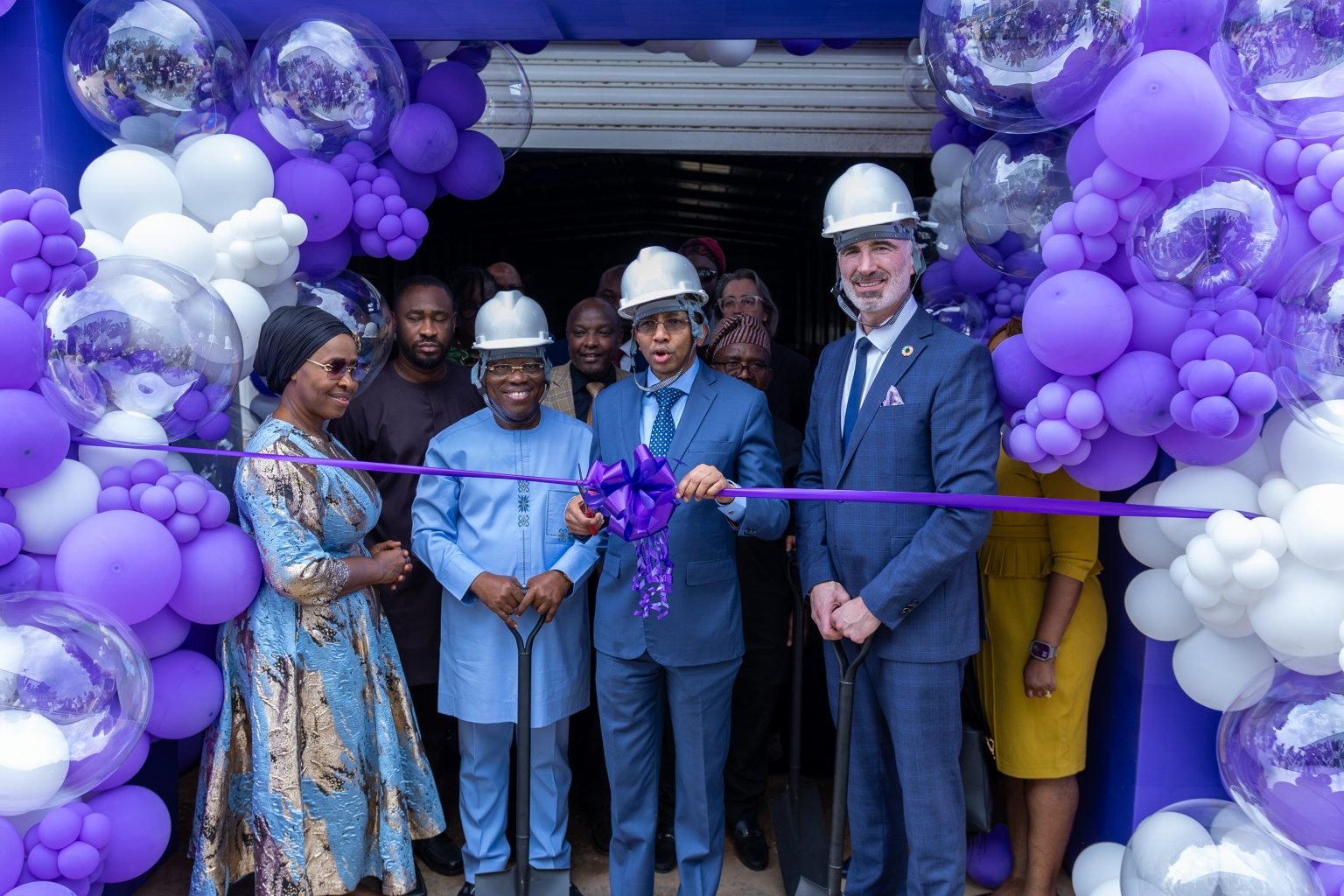
In December 2025, Nigeria marked a major turning point with the groundbreaking of its first mosquito net manufacturing facility, designed to produce next-generation dual active-ingredient LLINs, including pyrethroid–chlorfenapyr nets. The plant is a joint venture between Vestergaard Sàrl and Harvestfield Industries, facilitated by the Presidential Initiative for Unlocking the Healthcare Value Chain (PVAC). The project reflects a deliberate effort to align health security with industrial policy, particularly after the COVID-19 pandemic exposed how reliance on external manufacturing can leave the country vulnerable to global supply disruptions.
For many communities especially hard-to-reach rural areas malaria remains a leading cause of illness, school absenteeism, lost productivity, and preventable deaths. Nigeria’s disproportionate share of global malaria mortality highlights persistent gaps in access to reliable and effective prevention. Local production of LLINs is expected to shorten supply lead times, reduce exposure to global shocks, and improve availability ahead of peak transmission seasons. For households, this means fewer episodes of illness and lower out-of-pocket health costs; for communities, it strengthens a proven first line of defence.
The facility is expected to commence production in April 2026, with an annual capacity of up to 10 million nets—enough to meet approximately 30 percent of Nigeria’s LLIN demand. This scale carries immediate public-health benefits, including faster procurement, reduced vulnerability to supply disruptions, and improved access to life-saving prevention tools.
Beyond health impact, the industrial significance is substantial. The investment is projected to create about 600 skilled jobs, enable the transfer of advanced manufacturing technology, and strengthen Nigeria’s ability to produce high-quality health commodities locally. In an era of shrinking donor funding and fragile global supply chains, local manufacturing has become not just an economic ambition, but a cornerstone of health system resilience.
Speaking on the importance of the facility, the National Coordinator of PVAC, Dr Abdu Mukhtar, described it as a win for both health security and industrial development. “Every mosquito net produced here represents a Nigerian job, a Nigerian skill strengthened, and value created within our economy. This facility reaffirms our commitment to ensuring life-saving tools like PermaNet Dual are manufactured at scale and to global standards,” he said. The project aligns closely with PVAC’s goal of transitioning Nigeria from a heavy importer of health products to a producer and eventually an exporter of essential health commodities.
While the immediate focus is domestic malaria control, the implications extend beyond Nigeria. At full scale, the facility is designed to serve both local and international markets, positioning Nigeria as a manufacturing hub for insecticide-treated nets in West Africa. This vision aligns with a broader continental push for health sovereignty, where African countries invest in domestic production to address shared public-health challenges.
Dr Mukhtar emphasised that quality remains non-negotiable, noting that strict standards, proven mosquito-killing efficacy, and sustainable practices will determine whether local manufacturing translates into real health impact. Although malaria control requires a mix of interventions including vaccines, effective treatment, and surveillance the World Health Organization continues to recognise insecticide-treated nets as one of the most effective prevention tools. Expanding access to high-quality LLINs remains critical to sustained reductions in transmission.
Building malaria prevention capacity at home
The establishment of this facility will not, by itself, eliminate malaria, but it represents a significant step toward addressing long-standing structural weaknesses in the production and supply of prevention tools. More importantly, it demonstrates how strong policy leadership and private-sector expertise can converge to protect lives while building domestic capacity.
For Nigeria, which bears a quarter of the world’s malaria cases and a third of its deaths, prevention remains one of the most powerful weapons available. Insecticide-treated nets continue to play a central role in reducing transmission and safeguarding families. Producing these tools locally, to global standards, strengthens supply security and marks a decisive shift from dependency to capability. As Nigeria takes this step, the message is clear: malaria control is not only about distributing nets, but also about securing resilient supply chains and building the capacity to produce life-saving tools at home.