
Pneumonia is a serious respiratory infection that affects millions of people worldwide every year. While it can affect anyone, pneumonia is especially dangerous for young children, older adults, and people with weakened immune systems. Understanding the causes, symptoms, and prevention of pneumonia can help save lives.
What Is Pneumonia?
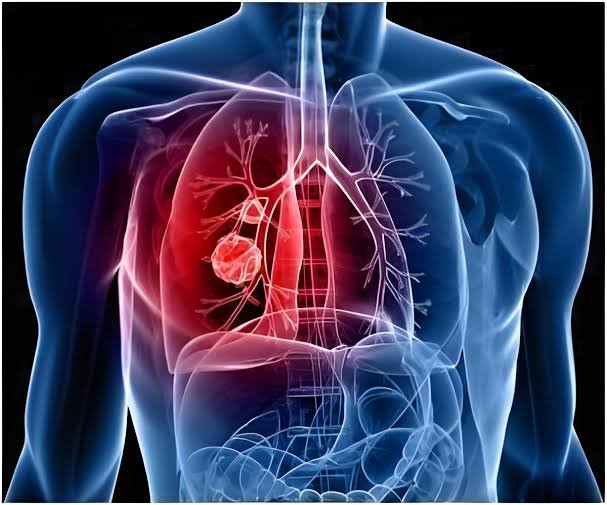
Pneumonia is an infection that inflames the air sacs (alveoli) in one or both lungs. These air sacs may fill with fluid or pus, making breathing painful and limiting oxygen intake. Pneumonia can range from mild to life-threatening, depending on the individual and the cause.
Causes of Pneumonia
Pneumonia can be caused by different organisms, including:
- Bacteria – such as Streptococcus pneumoniae (the most common cause)
- Viruses – including influenza, COVID-19, and respiratory syncytial virus (RSV)
- Fungi – more common in people with chronic illnesses or weakened immunity
It can spread through coughing, sneezing, or close contact with an infected person.
Common Symptoms
Symptoms may develop suddenly or gradually and can include:
- Persistent cough (with or without mucus)
- Fever, chills, and sweating
- Shortness of breath or rapid breathing
- Chest pain when breathing or coughing
- Fatigue and weakness
- Loss of appetite
- Confusion (especially in older adults)
In children, symptoms may include fast breathing, vomiting, poor feeding, or bluish lips due to lack of oxygen.
Who Is Most at Risk?
Some people are more likely to develop severe pneumonia, including:
- Children under 5 years
- Adults aged 65 and above
- Pregnant women
- Smokers
- People with chronic illnesses (diabetes, asthma, heart disease)
- Individuals with weakened immune systems
Diagnosis and Treatment
Pneumonia is diagnosed through physical examination, chest X-rays, blood tests, or sputum tests.
Treatment depends on the cause:
- Bacterial pneumonia is treated with antibiotics
- Viral pneumonia may require rest, fluids, and antiviral medications
- Severe cases may need hospitalization, oxygen therapy, or intravenous medications
Early treatment greatly improves recovery.
How to Prevent Pneumonia
Prevention is always better than cure. You can reduce your risk by:
- Getting vaccinated (pneumococcal, flu, and COVID-19 vaccines)
- Washing hands regularly
- Avoiding smoking and secondhand smoke
- Eating a balanced diet and staying hydrated
- Covering your mouth when coughing or sneezing
- Seeking medical care early when respiratory symptoms appear
When to See a Doctor
Seek medical attention immediately if you or a loved one experiences:
- Difficulty breathing
- Persistent high fever
- Chest pain
- Blue or gray lips or fingernails
- Worsening symptoms despite treatment
Pneumonia is preventable and treatable, but only when taken seriously. Raising awareness, practicing good hygiene, and seeking timely medical care can make a significant difference. If you notice symptoms, don’t self-medicate see a healthcare professional promptly.